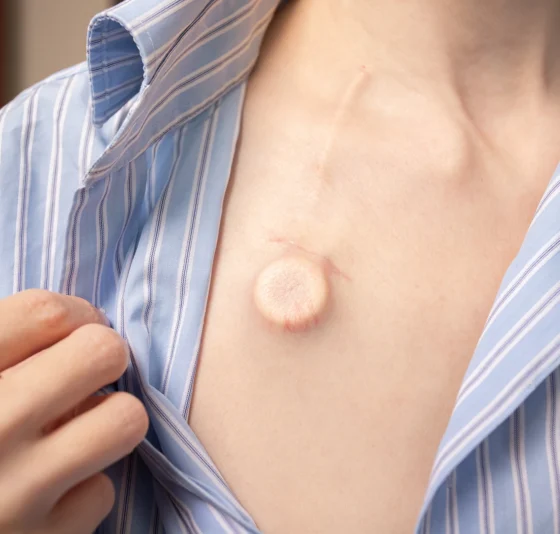
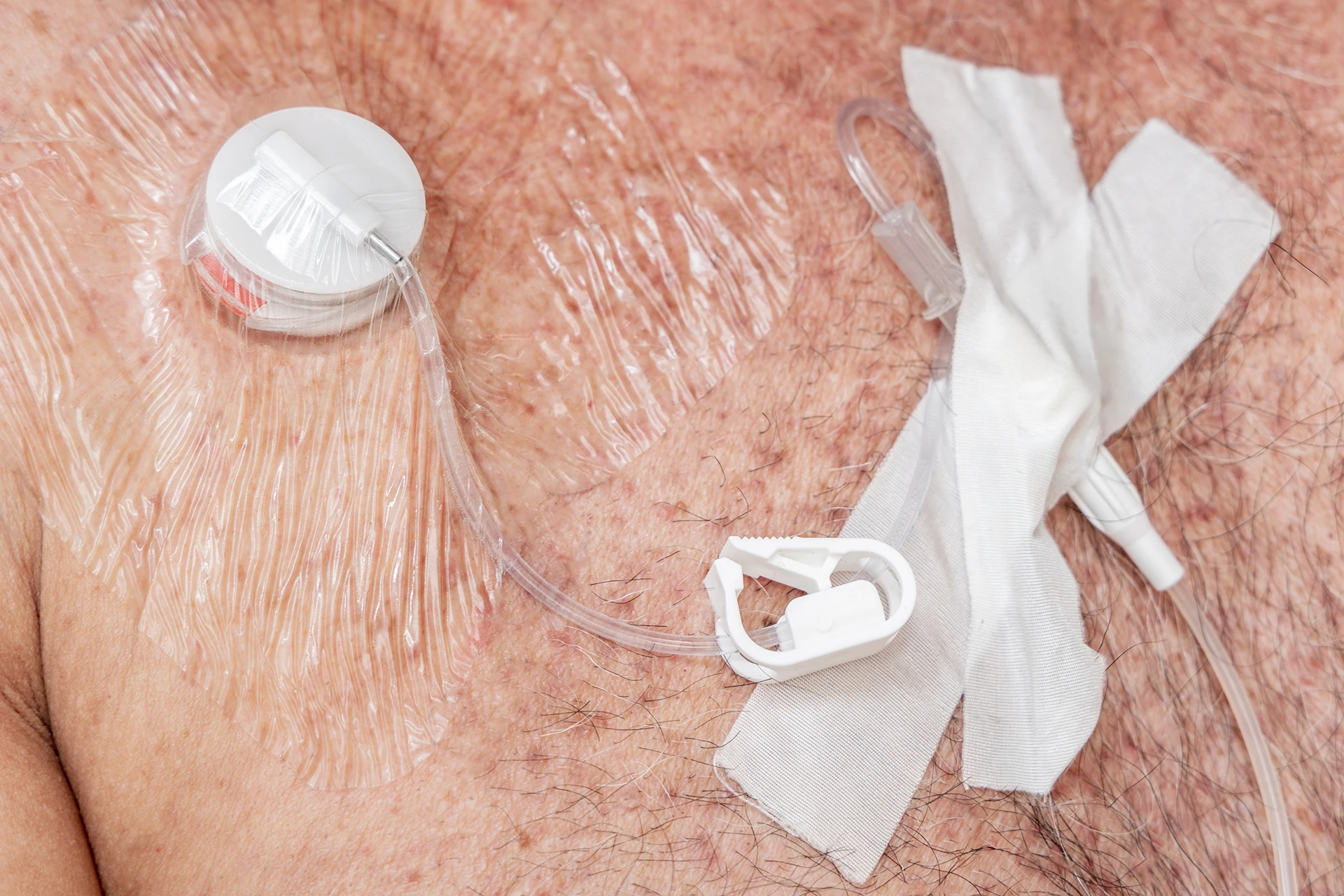
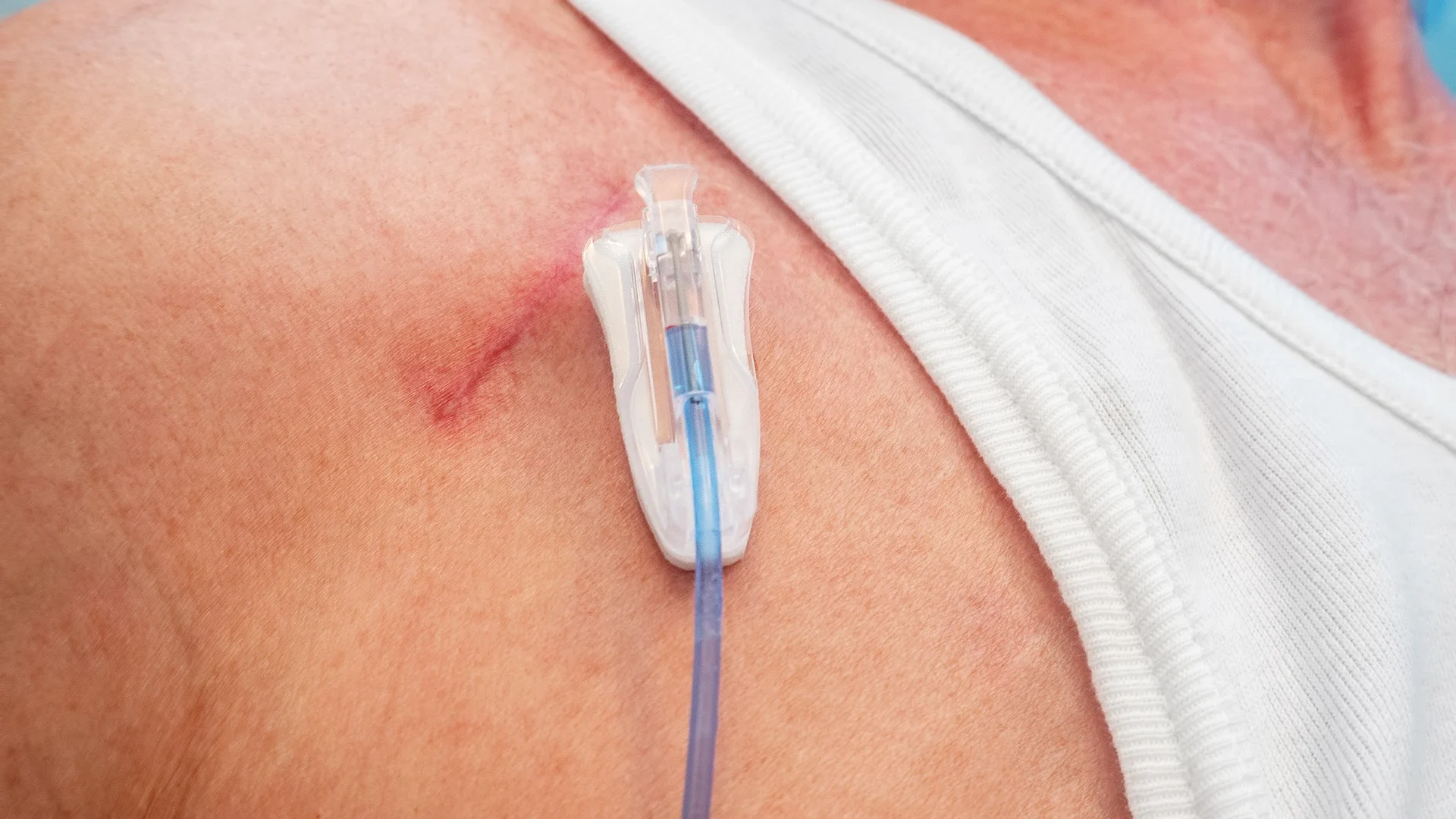
An implantable port consists of two main components: a small reservoir about the size of a quarter with a self-sealing rubber disc at the top, and a thin, flexible catheter that connects the reservoir to a large vein. The reservoir sits just beneath the skin, typically on your upper chest, and can be felt but is less visible than a tunneled catheter. When you need treatment, your doctor can access the port using a special needle to deliver medication or draw blood.
Unlike temporary IV lines that need frequent replacement, implantable ports can remain embedded for months or even years, depending on your treatment needs. They’re designed to withstand thousands of needle insertions and can handle various types of medications, including chemotherapy drugs that might be too harsh for smaller veins.
Ideal Candidates for Implantable Ports
Implantable ports benefit patients who need frequent or long-term IV access for medical treatment. You might be a good candidate if you meet several of these criteria:
- Undergoing chemotherapy or immunotherapy treatments
- Requiring frequent blood draws for monitoring
- Needing long-term antibiotic therapy
- Receiving regular blood transfusions
- Have difficult-to-access peripheral veins
- Want to avoid repeated IV needle sticks
- Need reliable access for emergency medications
Implantable ports provide consistent venous access with less visibility than external catheters and no activity or lifestyle restrictions, as everything is safely beneath the skin. If you’re undergoing treatment that requires frequent IV access, our team can evaluate your medical history and overall health to determine if port placement is appropriate for your situation.