A vertebral compression fracture can change everything. One moment you’re going about your day; the next, a simple movement, whether bending over, lifting something, or even coughing, triggers severe back pain that makes standing unbearable. For the estimated 700,000 Americans who experience these fractures each year, the pain can be debilitating enough to limit mobility, disrupt sleep and make even basic activities feel impossible.

At the Orange County Interventional Radiology Center in Lake Forest, Irvine and Mission Viejo, CA, we offer vertebroplasty and kyphoplasty, minimally invasive procedures that treat vertebral compression fractures and provide rapid, lasting pain relief without the inconvenience, risks or downtime of traditional spinal surgery.

Book Appointment


What Are Vertebroplasty & Kyphoplasty?

Vertebroplasty and kyphoplasty are image-guided procedures used to treat painful vertebral compression fractures, which occur when weakened vertebrae in the spine collapse or become compressed. Both procedures involve injecting medical-grade bone cement into the fractured vertebra to stabilize it and relieve pain, but they differ in one key way.

Vertebroplasty involves injecting the cement directly into the fractured bone through a hollow needle. This straightforward approach works well for stabilizing the fracture and stopping pain, though it doesn’t restore lost vertebral height.

Kyphoplasty adds an extra step: before the cement is injected, a small balloon is inserted into the vertebra and inflated to create a cavity and restore some of the bone’s original height. The balloon is then removed, and cement fills the space. This technique can help correct the wedge-shaped deformity that compression fractures often cause and may reduce the hunched posture (kyphosis) that develops when multiple vertebrae collapse over time.

Ideal Candidates for Vertebroplasty & Kyphoplasty

These procedures are most effective for patients who have:

  • Painful vertebral compression fractures that haven’t responded to conservative treatments like rest, pain medication or bracing
  • Fractures caused by osteoporosis, the most common underlying cause
  • Fractures resulting from cancer that has spread to the spine (metastatic disease) or multiple myeloma
  • Recent fractures (typically within the past few months), though older fractures may also respond to treatment
  • Pain that worsens with standing or movement and improves when lying down
  • Imaging (MRI or bone scan) that confirms the fracture is the source of pain

Vertebroplasty and kyphoplasty aren’t appropriate for everyone. Patients with fractures that have fully healed, active spinal infections, bleeding disorders or certain types of spinal instability may need alternative treatments. Our team will review your imaging and medical history to determine whether you’re a good candidate for these procedures.

What to Expect During Treatment

You’ll arrive at one of our Orange County locations and be prepped for the procedure in a comfortable outpatient setting. After receiving local anesthesia to numb the treatment area and mild sedation to help you relax, you’ll lie face down while the procedure is performed. Most patients feel only mild pressure during needle insertion with no significant pain.

Using continuous, real-time imaging guidance, your interventional radiologist will guide a hollow needle through a small puncture in the back and position it precisely within the fractured vertebra and inject the cement. For kyphoplasty, a balloon is first inserted and gently inflated to lift the collapsed bone. The cement hardens within minutes, stabilizing the fracture. If multiple vertebrae need treatment, each is addressed during the same session.

The procedure typically takes 30 to 60 minutes per vertebra treated. Because no incisions or stitches are required, there is significantly less downtime compared to traditional spinal surgeries. After the procedure, you’ll rest briefly in a recovery area before being discharged.

Vertebroplasty & Kyphoplasty Recovery

One of the greatest advantages of these procedures is how quickly patients recover. Many people notice significant pain relief within 24 to 48 hours, some even sooner. You may experience mild soreness at the needle entry site for a day or two, but this is typically manageable with over-the-counter pain relievers.

Most patients return to light activities within a day and resume their normal routine within a week, though you should avoid heavy lifting or strenuous exercise during this time. No physical therapy or rehabilitation is required. Research shows that 75% of patients regain lost mobility after treatment, allowing them to return to activities they may have avoided due to pain.

Follow-up imaging or appointments may be scheduled to monitor your progress, and if osteoporosis contributed to your fracture, your care team may recommend bone-strengthening treatments to reduce the risk of future fractures.

Take the First Step Toward Relief

Living with the pain of a compression fracture doesn’t have to be your new normal. At the Orange County Interventional Radiology Center, our board-certified specialists have the expertise and advanced imaging technology to deliver precise, effective treatment with minimal downtime. Contact us today at (949) 317-1633 to schedule a consultation at our Lake Forest, Mission Viejo or Irvine location and take the first step toward relief.

FAQ'S

Frequently Asked Questions

What are back compression fractures?

A back compression fracture occurs when one of the bones in your spine (vertebrae) weakens and collapses. These fractures are most commonly caused by osteoporosis, which thins and weakens bone over time, but they can also result from trauma or cancer that has spread to the spine. Compression fractures typically cause sudden, severe back pain that worsens when standing or walking. Left untreated, multiple fractures can lead to height loss and a hunched posture known as kyphosis.

What's the difference between vertebroplasty and kyphoplasty?

The main difference is that kyphoplasty uses a balloon to create a cavity and restore vertebral height before cement is injected, while vertebroplasty injects cement directly into the fracture. Kyphoplasty may be preferred when height restoration is a goal or when the fracture has caused significant spinal curvature. Both procedures offer similar pain relief outcomes.

Are there risks or side effects?

Serious complications are rare. The most common concern is a small amount of cement leaking outside the vertebra, which usually causes no symptoms. In uncommon cases, leakage near nerves or the spinal canal can cause irritation. Other rare risks include infection, bleeding and reactions to the cement. Our use of real-time imaging guidance helps minimize these risks.

How soon can I return to normal activities?

Most patients feel well enough to resume light activities within a day or two. You should avoid heavy lifting and strenuous exercise for about a week. Unlike traditional spine surgery, vertebroplasty and kyphoplasty require no physical therapy or extended rehabilitation period.

Will I need additional treatments?

If osteoporosis caused your fracture, your doctor may recommend medications or lifestyle changes to strengthen your bones and reduce the risk of future fractures. Approximately 15% of patients develop new compression fractures after treatment, so addressing underlying bone health is an important part of long-term care.

Our Locations

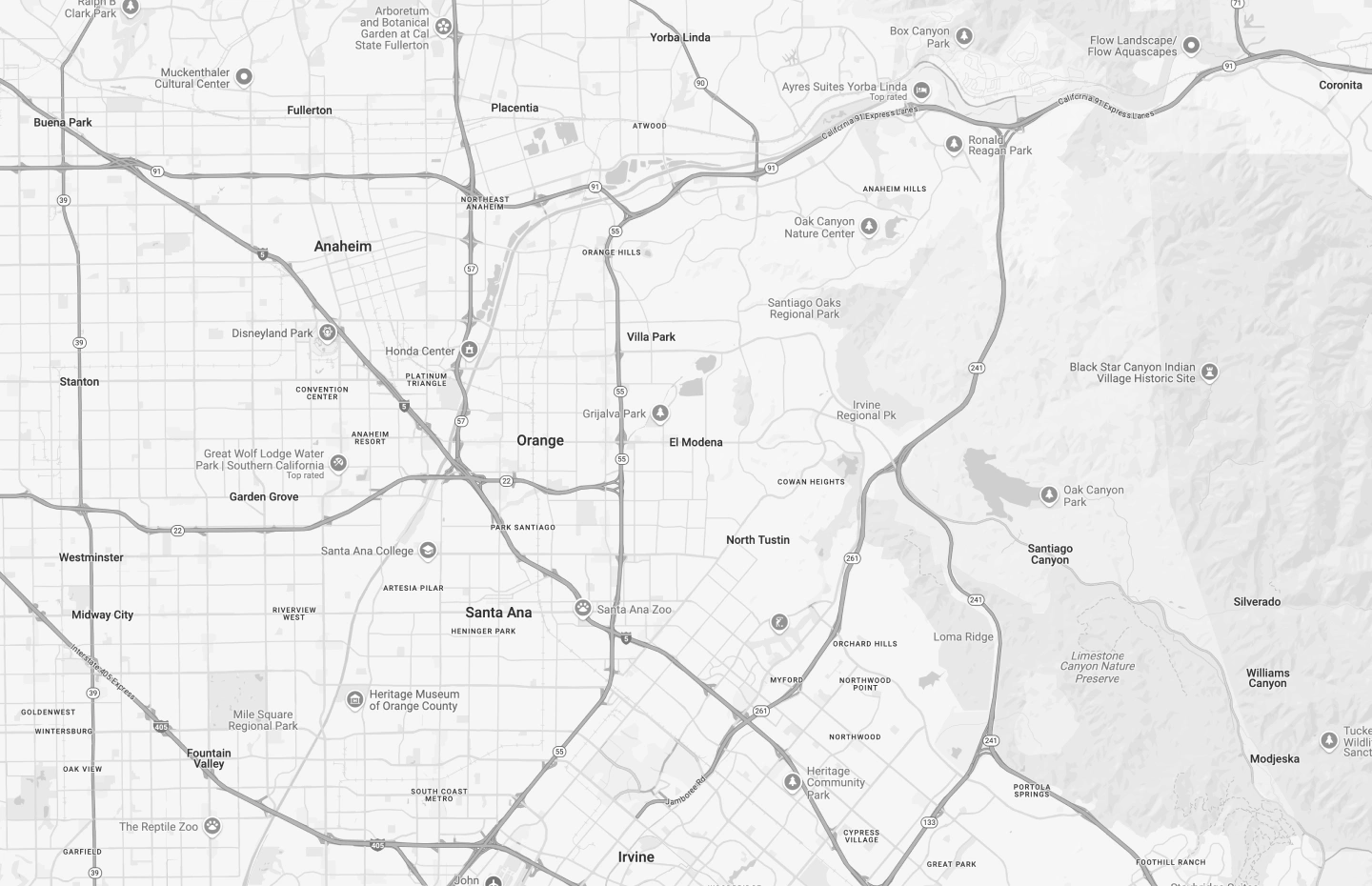
Three Locations, One Commitment: Your Care

Lake Forest

29300 Portola Parkway, Suite B
Lake Forest, CA 92630
Toll Free: (800) 267-5677

Hours of Operation

Monday: 8:00 AM – 5:00 PM
Tuesday: 8:00 AM – 5:00 PM
Wednesday: 8:00 AM – 5:00 PM
Thursday: 8:00 AM – 5:00 PM
Friday: 8:00 AM – 5:00 PM
Saturday: Closed
Sunday: Closed

Mission Viejo

26921 Crown Valley Parkway, #120
Mission Viejo, CA 92691
Toll Free: (800) 267-5677

Hours of Operation

Monday: 8:00 AM – 5:00 PM
Tuesday: 8:00 AM – 5:00 PM
Wednesday: 8:00 AM – 5:00 PM
Thursday: 8:00 AM – 5:00 PM
Friday: 8:00 AM – 5:00 PM
Saturday: Closed
Sunday: Closed

Irvine

18102 Sky Park Circle South, Suite D
Irvine, CA 92614
Toll Free: (800) 267-5677

Hours of Operation

Monday: 8:00 AM – 5:00 PM
Tuesday: 8:00 AM – 5:00 PM
Wednesday: 8:00 AM – 5:00 PM
Thursday: 8:00 AM – 5:00 PM
Friday: 8:00 AM – 5:00 PM
Saturday: Closed
Sunday: Closed