When you think about heart health, your mind probably jumps to chest pain or heart attacks. But there’s another part of your cardiovascular system that deserves just as much attention: the arteries in your arms and legs. Peripheral artery disease affects millions of Americans, yet many people don’t realize they have it until symptoms become severe.

At Orange County Interventional Radiology, we specialize in diagnosing and treating peripheral artery disease using advanced, minimally invasive techniques that get you back to living your life without the pain and limitations this condition can cause.

Book Appointment

What Is Peripheral Artery Disease?

Peripheral artery disease, or PAD, occurs when the arteries that carry blood to your arms and legs become blocked or narrowed by plaque buildup. Think of it like a pipe that gets clogged with oil, soap scum and other debris. When the water can’t flow freely, everything downstream suffers as a result. In your body, this means your muscles and tissues aren’t getting the oxygen-rich blood they need to function properly.

PAD develops gradually as cholesterol and fatty deposits accumulate on the artery walls. This process, called atherosclerosis, is the same one that can affect the arteries around your heart, but when it happens in your peripheral arteries, it creates a different set of problems. PAD most commonly affects the legs and feet, though it can also impact the arteries in your arms.

PAD is often a sign of widespread atherosclerosis throughout your body. If you have PAD, you’re at increased risk for heart attack and stroke, making early detection and treatment essential for your overall health.

Peripheral Artery Disease Symptoms

  • Leg weakness or numbness
  • Coldness in the affected leg or foot
  • Slow-healing wounds on your legs or feet
  • Shiny skin or hair loss on your legs
  • Changes in the color of your legs
  • Weak or absent pulse in your legs or feet
  • Erectile dysfunction in men

Stages of Peripheral Artery Disease

Peripheral artery disease is not a one-size-fits-all diagnosis. There are four main stages of PAD that differ in severity, from mild PAD with few or no symptoms to more severe blockages.

Book Appointment

Stage 1: Asymptomatic

At this stage, you have not begun to experience the symptoms of arterial occlusion, but evidence of atherosclerosis may have been found, either incidentally or as part of a cardiovascular checkup. Catching it early provides the greatest opportunity to slow or stop the progression of PAD with healthy lifestyle changes, such as an improved diet, exercise and stopping smoking.

Stage 2: Claudication

Claudication is the second stage of PAD, where the arteries have narrowed significantly. Most patients begin to feel pain or discomfort in the legs, especially when active. Many people explore treatment options at this point, but healthy lifestyle changes can still have a big impact.

Stage 3: Critical Limb Ischemia

The arteries in the legs are severely blocked at stage three, causing pain that worsens and persists even at rest. Because blood flow cannot effectively reach the lower extremities, sores, ulcers and other slow-healing wounds may appear. This is considered a chronic condition that requires maintenance and treatment to avoid more serious complications.

Stage 4: Acute Limb Ischemia

Stage four occurs when a lot suddenly cuts off blood flow in the leg, causing severe pain, tingling, coolness and tissue damage. Acute limb ischemia is considered a medical emergency and requires prompt treatment to restore blood flow. Without treatment, irreparable nerve and muscular damage may occur, with the possible need for amputation of the affected limb. Fortunately, fewer than 2% of patients with PAD experience acute limb ischemia.


How We Treat Peripheral Artery Disease

At Orange County Interventional Radiology, we take a comprehensive approach to treating peripheral artery disease that focuses on restoring blood flow while minimizing invasiveness and recovery time. Our board-certified interventional radiologists use state-of-the-art imaging technology to precisely diagnose the location and severity of arterial blockages, allowing us to develop personalized treatment plans for each patient.

For many patients, we can restore blood flow using balloon angioplasty (venoplasty), a minimally invasive procedure that opens blocked arteries from the inside. During this treatment, a tiny balloon is inserted into the narrowed artery and inflated, creating more space for blood to flow. The entire procedure is performed through a small puncture in your skin, usually in your groin or arm, and requires no large incisions.

In cases where the artery needs additional support to stay open, we may place a stent — a small, mesh-like tube that acts as a scaffold to keep the artery open. Modern stents are designed to integrate with your artery walls and provide long-lasting results.

We also provide thrombolytic therapy for patients with acute blood clots. This treatment either mechanically removes blood clots or delivers clot-dissolving medications directly to the affected area through a catheter, allowing us to restore blood flow quickly and prevent tissue damage.

Why Choose OCIR

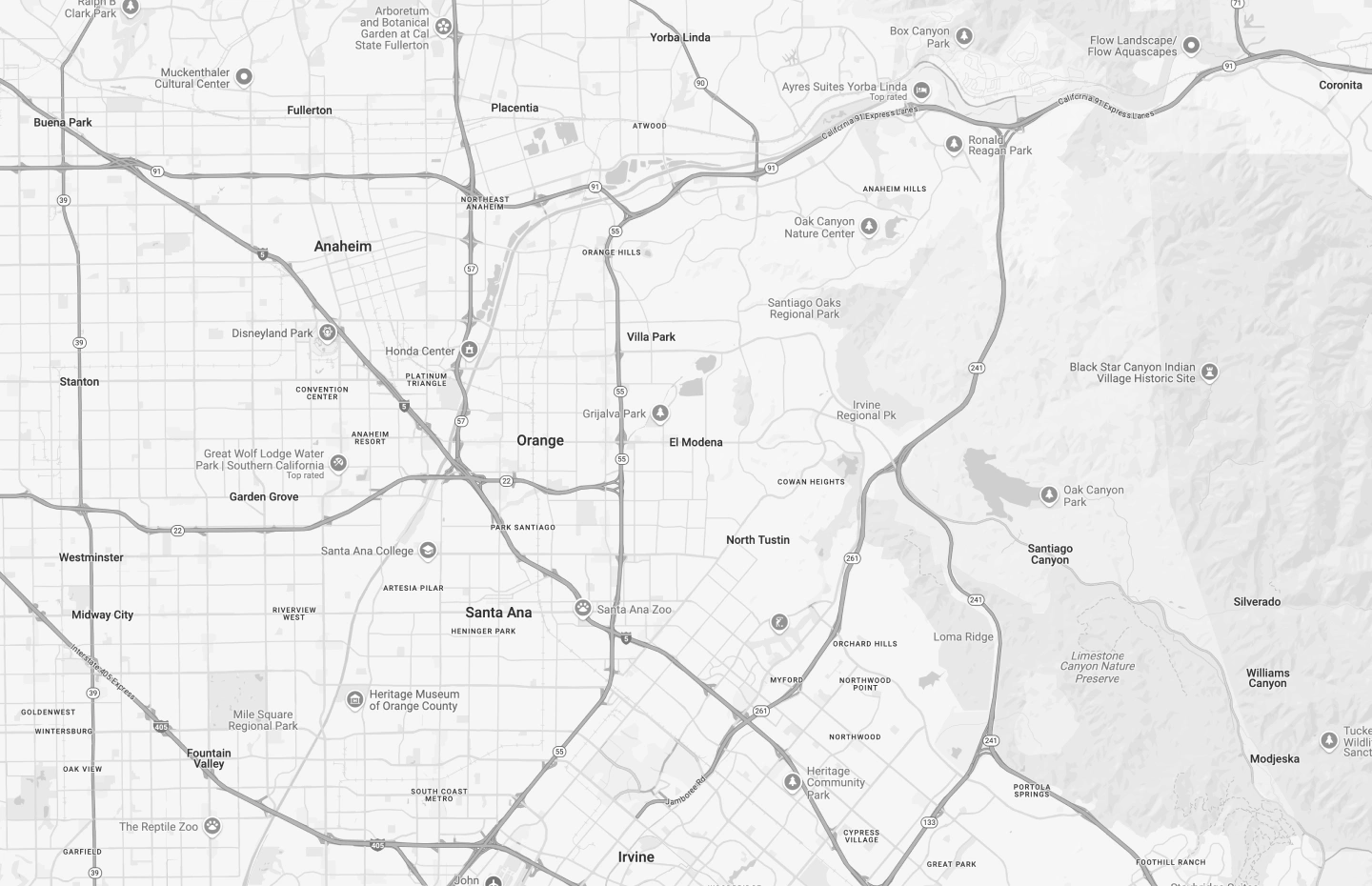
Choosing the right medical team for your PAD treatment can make all the difference in your outcomes and experience. At Orange County Interventional Radiology, we bring together expertise, advanced technology and a patient-centered approach to help you regain your comfort and quality of life. If you’re dealing with persistent PAD symptoms and would like to take control of your health with minimally invasive treatments, contact us today to schedule a consultation in Irvine, Lake Forest or Mission Viejo, California.

FAQ'S

Got Questions? We Have Answers

How serious is peripheral artery disease?

PAD is a serious condition that requires medical attention, but it’s also highly treatable, especially when caught early. While PAD itself can cause pain and mobility limitations, the bigger concern is what it indicates about your overall cardiovascular health. People with PAD have a significantly higher risk of heart attack and stroke, making treatment important for both symptom relief and long-term health protection.

Can peripheral artery disease be reversed?

While we can’t completely reverse the atherosclerosis that causes PAD, we can effectively restore blood flow and prevent the condition from worsening. Our treatments can dramatically improve symptoms and quality of life. Lifestyle changes like quitting smoking, getting regular exercise and a healthy diet can also help slow or stop disease progression.

How long is the recovery after PAD treatment?

Recovery time depends on which procedure is performed, but our minimally invasive treatments require only a few hours of observation before you can go home. Most patients can return to normal activities within just a few days, though we typically recommend avoiding heavy lifting or strenuous exercise for about one week.

Will I need multiple treatments?

Some patients achieve excellent results with a single procedure, while others may need additional treatments over time. This depends on factors like the extent of your disease, how well you respond to treatment and whether new blockages develop. We monitor all our patients closely and recommend follow-up treatments only when necessary.

Is PAD treatment covered by insurance?

Most insurance plans, including Medicare, cover medically necessary PAD treatments. Our team works closely with insurance providers to ensure you receive the coverage you’re entitled to, and we’ll discuss any out-of-pocket costs with you before treatment.

Our Locations

Three Locations, One Commitment: Your Care

Lake Forest

29300 Portola Parkway, Suite B
Lake Forest, CA 92630
Toll Free: (800) 267-5677

Hours of Operation

Monday: 8:00 AM – 5:00 PM
Tuesday: 8:00 AM – 5:00 PM
Wednesday: 8:00 AM – 5:00 PM
Thursday: 8:00 AM – 5:00 PM
Friday: 8:00 AM – 5:00 PM
Saturday: Closed
Sunday: Closed

Mission Viejo

26921 Crown Valley Parkway, #120
Mission Viejo, CA 92691
Toll Free: (800) 267-5677

Hours of Operation

Monday: 8:00 AM – 5:00 PM
Tuesday: 8:00 AM – 5:00 PM
Wednesday: 8:00 AM – 5:00 PM
Thursday: 8:00 AM – 5:00 PM
Friday: 8:00 AM – 5:00 PM
Saturday: Closed
Sunday: Closed

Irvine

18102 Sky Park Circle South, Suite D
Irvine, CA 92614
Toll Free: (800) 267-5677

Hours of Operation

Monday: 8:00 AM – 5:00 PM
Tuesday: 8:00 AM – 5:00 PM
Wednesday: 8:00 AM – 5:00 PM
Thursday: 8:00 AM – 5:00 PM
Friday: 8:00 AM – 5:00 PM
Saturday: Closed
Sunday: Closed