PAE vs. TURP: Which Is Better for Enlarged Prostate?
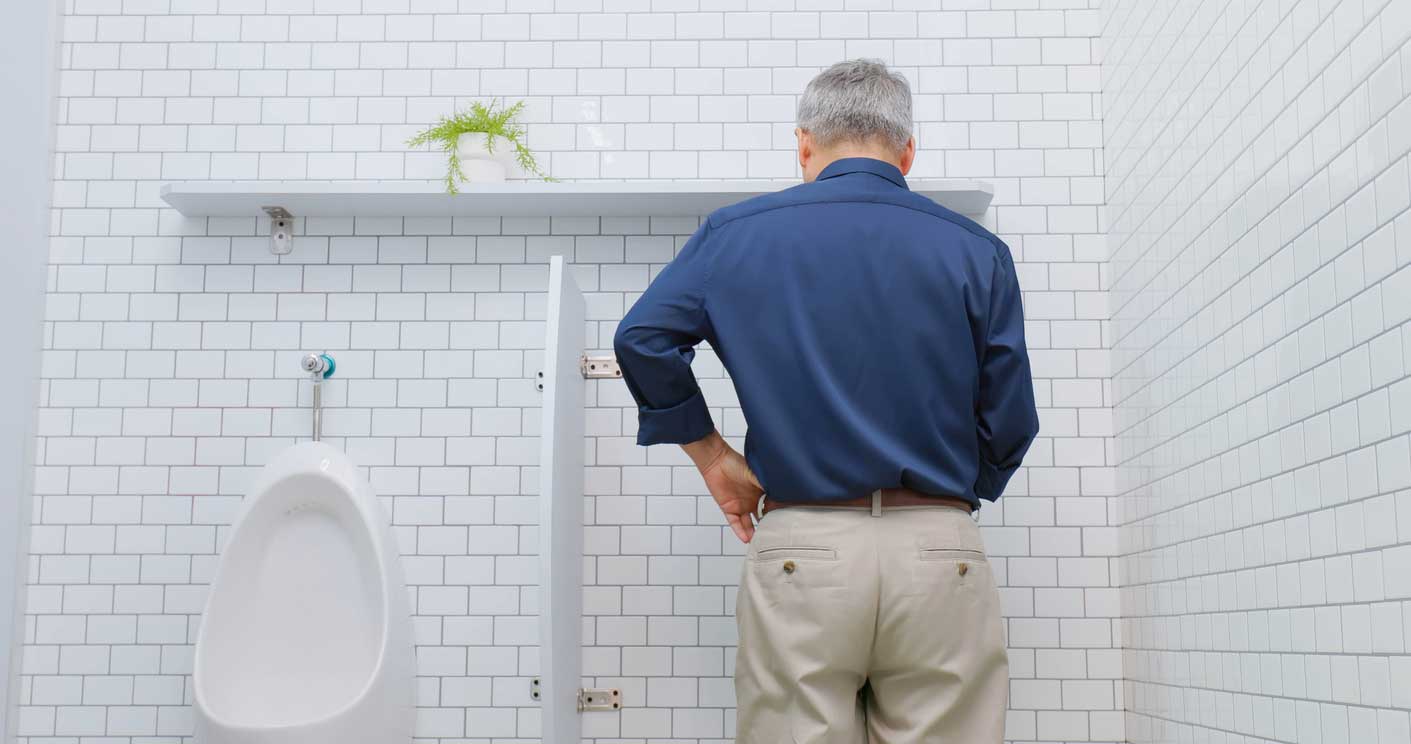
Living with an enlarged prostate can mean frequent trips to the bathroom, interrupted sleep and a weak or unpredictable urine stream. Benign prostatic hyperplasia, or BPH, is the medical term for prostate enlargement, which affects 50% of men by the age of 60, according to Harvard Health. The prostate wraps around the urethra, so as it grows, it narrows that channel and makes urination more difficult.
For moderate to severe symptoms, doctors have long turned to transurethral resection of the prostate, or TURP. This surgical procedure removes excess prostate tissue to relieve pressure on the urethra. But many patients are never told there is a non-surgical alternative.
At Orange County Interventional Radiology Center (OCIR), we offer prostate artery embolization (PAE), a minimally invasive treatment that shrinks the prostate without surgery. Understanding how these two options differ, particularly when it comes to recovery and sexual function, can help you make a more informed decision about your care.
What Is TURP?
Transurethral resection of the prostate (TURP) has been used for decades and remains one of the most studied procedures for BPH symptoms. During TURP, a surgeon inserts an instrument through the urethra and trims away excess prostate tissue that’s blocking urine flow. It’s performed under general or spinal anesthesia, typically requires a hospital stay and is followed by a recovery period that can stretch several weeks.
TURP is effective at quickly relieving obstruction. For many men, this produces greater improvement in urine flow than other treatments.
But that effectiveness comes with a tradeoff that surprises a lot of patients: sexual side effects are common. Research has found that retrograde ejaculation, where semen flows backward into the bladder instead of out during ejaculation, can occur in up to 78% of men after TURP, and studies have observed it in roughly half of sexually active patients following the procedure. While retrograde ejaculation isn’t physically harmful, it can affect fertility and intimacy, and it’s something many men aren’t fully prepared for going in.
What is PAE?
Prostate artery embolization (PAE) takes a different approach entirely. Instead of removing tissue, a thin catheter is guided through a small puncture in the wrist or groin to the arteries feeding the prostate. Tiny particles are released to reduce blood flow to the enlarged areas. Over the following months, the prostate gradually shrinks, easing pressure on the urethra.
The prostate has its own dedicated blood supply, separate from the blood vessels involved in sexual function. This is part of why PAE can target the gland itself without disturbing the nerves and structures responsible for ejaculation, something that’s much harder to avoid with a surgical approach inside the urethra.
PAE is performed on an outpatient basis using local anesthesia and light sedation, and the procedure itself typically takes one to two hours. After the catheter is removed, light pressure is applied to the access site. No stitches are needed, and most patients go home the same day.
In the days following treatment, it’s common to experience mild pelvic discomfort or urinary symptoms, which can usually be managed with medication. Many patients return to desk work within one to two days. The prostate doesn’t shrink overnight. Improvement typically unfolds over the following weeks to months, as blood flow to the enlarged tissue decreases and the gland gradually shrinks.
How PAE and TURP Compare
Three findings stand out when comparing outcomes between the two procedures.
TURP produces a larger improvement in urinary symptoms. A randomized trial that followed patients for 2 years found that TURP led to a greater reduction in urinary symptom scores than PAE, meaning patients who underwent TURP reported a more noticeable improvement in urgency, frequency and stream strength. Patients prioritizing the greatest possible improvement in urinary flow may be better suited to TURP.
PAE is associated with significantly lower rates of sexual side effects. One review found retrograde ejaculation was reported in 24% of patients after PAE compared to 48% after TURP, roughly half the rate. Men who chose PAE were roughly half as likely to experience this side effect.
PAE results in less hospital time and fewer complications related to urinary retention. A large nationwide analysis found PAE was associated with a 2.6-day shorter average hospital stay than TURP, along with significantly lower odds of in-hospital urinary retention.
Neither procedure is universally better. TURP tends to produce a stronger symptom response, while PAE offers a gentler recovery and a lower chance of affecting sexual function.
Who Tends to Do Better With Which Procedure
A few factors tend to point patients toward one option or the other.
- You may lean toward PAE if you want to preserve sexual and ejaculatory function, you’re not a strong candidate for surgery due to other health conditions, you’d prefer to avoid a hospital stay and lengthy recovery or your symptoms are moderate rather than severe.
- You may lean toward TURP if your symptoms are severe and you need the most substantial possible improvement quickly, you’ve already accepted that retrograde ejaculation is a tradeoff you’re comfortable with or your prostate anatomy makes you a better fit for a surgical approach.
These are not rigid rules. Prostate size, prior treatments, overall health and personal goals all factor into the decision. A thorough evaluation matters before committing to either path.
Why Choose OCIR for Your PAE Procedure
PAE at Orange County Interventional Radiology Center is performed by Dr. Kevin Burns and Dr. Jimmy Ton, both board-certified, fellowship-trained interventional radiologists who specialize in image-guided, minimally invasive care. Before scheduling any procedure, our team conducts a full candidacy evaluation, including a review of imaging, symptoms and prior treatments.
We use advanced imaging technology comparable to major academic centers, in a more personalized environment across our Lake Forest, Mission Viejo and Irvine locations. Medicare and most major insurance plans cover PAE, and we coordinate directly with referring urologists for cohesive care.
Schedule a Consultation In Orange County
If you are weighing PAE against TURP for an enlarged prostate, call Orange County Interventional Radiology Center at 949-919-6169 or book online to schedule a consultation at our Lake Forest, Mission Viejo or Irvine locations.