Alternative to Knee Replacement Surgery in Orange County
For many people with chronic knee pain, the conversation eventually turns to knee replacement surgery. While total knee replacement can be highly effective, not everyone is ready to undergo a major operation. Some patients are considered too young for a replacement, while others have medical conditions that increase surgical risks. Many simply want to preserve their natural knee for as long as possible.
The good news is that knee replacement is not the only option. Advances in interventional radiology have created new treatments that target the source of knee pain without surgery. At Orange County Interventional Radiology (OCIR), one of our most promising alternatives is genicular artery embolization (GAE), a minimally invasive treatment designed to reduce inflammation and improve the quality of life for patients with knee osteoarthritis.
Why Patients Look for Alternatives to Knee Replacement
Knee replacement surgery is often recommended when conservative treatments stop providing relief. While the procedure has helped millions of people regain mobility, it is still a major operation that requires significant recovery time.
Many patients hesitate because of:
- Concerns about surgery and anesthesia
- Lengthy rehabilitation requirements
- Time away from work and daily activities
- Existing health conditions that increase surgical risk
- A desire to postpone replacement until absolutely necessary
This is especially true for patients in their 50s and early 60s who may eventually require a second replacement later in life if their first implant wears out. These individuals often seek treatments that can help control symptoms while preserving their natural joints.
Understanding Knee Osteoarthritis
Osteoarthritis is the most common cause of chronic knee pain. It occurs when the protective cartilage within the joint gradually wears down over time.
As the cartilage deteriorates, several changes occur inside the knee:
- Inflammation develops within the joint lining
- New abnormal blood vessels begin to form
- Pain-signaling nerve fibers increase
- Joint stiffness becomes more pronounced
- Daily movement becomes more difficult
Many people assume that cartilage loss is the only reason osteoarthritis hurts. However, inflammation plays a major role in ongoing pain.
Researchers have discovered that arthritic knees develop networks of abnormal blood vessels, a process known as neovascularization. These vessels bring inflammatory cells into the joint and contribute to persistent pain signals.
This discovery led to the development of genicular artery embolization.
What Is Genicular Artery Embolization?
Genicular artery embolization is a minimally invasive outpatient procedure performed by an interventional radiologist. Rather than replacing the knee joint, GAE targets the abnormal blood vessels responsible for inflammation.
During treatment:
- A tiny catheter is inserted through a small puncture in the upper thigh.
- Using advanced imaging guidance, the physician navigates the catheter to the arteries supplying the inflamed tissue.
- Tiny particles are released into these vessels.
- Blood flow to the abnormal inflammatory tissue is reduced.
- Inflammation decreases, which can lead to significant pain relief.
The procedure typically takes less than two hours and does not require large incisions, joint replacement or extensive recovery. Patients return home the same day.
How GAE Differs from Knee Replacement
One of the biggest differences between GAE and knee replacement is that GAE preserves the natural joint.
Knee replacement removes damaged portions of the joint and replaces them with artificial components. While effective, this approach involves hospitalization, physical therapy and months of recovery.
GAE takes a completely different approach. Instead of replacing the joint, it reduces inflammation inside the knee. The treatment is designed to improve symptoms while preserving the joint’s existing anatomy.
Another important advantage is that undergoing GAE does not prevent future knee replacement surgery. If a patient eventually decides that replacement is necessary, the procedure can still be performed later.
Who Is a Good Candidate For GAE?
Many patients who seek alternatives to knee replacement may qualify for genicular artery embolization. You may be a good candidate if:
You Have Knee Osteoarthritis
GAE is primarily designed for patients whose pain is caused by osteoarthritis-related inflammation.
Conservative Treatments No Longer Work
Patients who have already tried:
- Physical therapy
- Anti-inflammatory medications
- Cortisone injections
- Hyaluronic acid injections
- Activity modification
may be good candidates when these approaches no longer provide adequate relief.
You Want to Delay Knee Replacement
Many younger patients choose GAE to preserve their natural knee for as long as possible.
You Are Not a Surgical Candidate
Conditions such as diabetes, heart disease, obesity or other medical concerns may increase surgical risks. GAE can often be performed safely in patients who may not be ideal candidates for major orthopedic surgery.
You Need Minimal Downtime
Most patients return to normal daily activities within a few days, making GAE attractive for individuals who cannot commit to a lengthy surgical recovery.
How Effective Is Genicular Artery Embolization?
Research on GAE continues to grow, and the results have been encouraging. A study published in the Journal of Vascular and Interventional Radiology found that 72% of patients who initially responded to treatment maintained pain relief at 24 months.
Additional research published in Osteoarthritis and Cartilage Open demonstrated sustained improvements in both pain scores and physical function following treatment. At OCIR, we have seen many patients experience meaningful improvements in:
- Daily pain levels
- Walking tolerance
- Exercise capacity
- Sleep quality
- Overall quality of life
While no treatment works for every patient, GAE has emerged as an important option for individuals seeking relief before considering surgery.
Why Patients in Orange County Choose OCIR
Orange County Interventional Radiology specializes in minimally invasive image-guided procedures that offer alternatives to traditional surgery. Our practice is led by Dr. Kevin Burns and Dr. Jimmy Ton, both board-certified, fellowship-trained interventional radiologists with extensive experience performing embolization procedures.
Patients appreciate:
- Comprehensive candidacy evaluations
- Advanced imaging technology
- Personalized treatment plans
- Convenient outpatient care
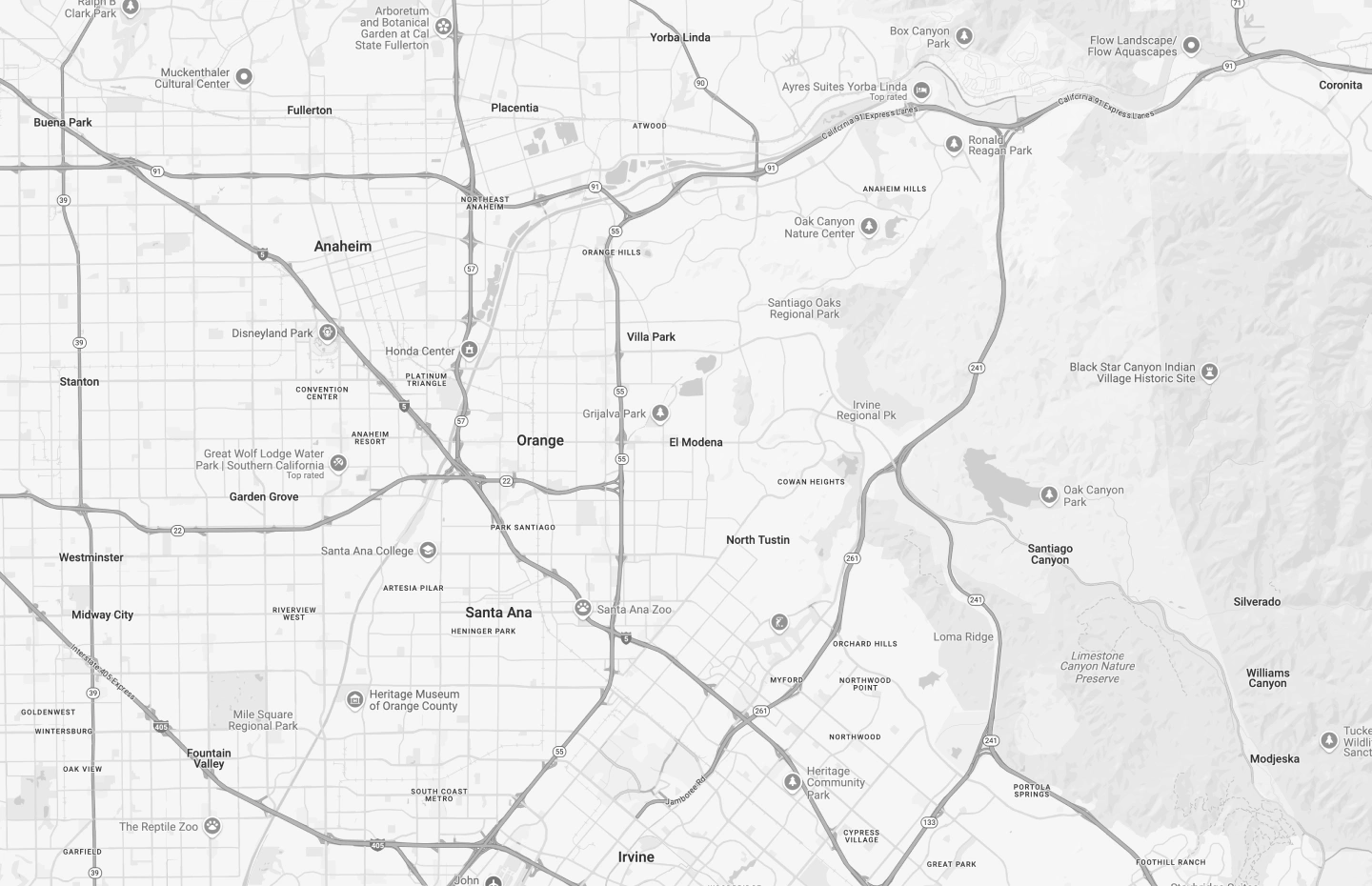
- Locations in Lake Forest, Mission Viejo and Irvine
Because embolization procedures are a core part of our daily work, our team is uniquely positioned to evaluate whether GAE may be appropriate for your situation.
Schedule a Consultation For Knee Pain Relief
If chronic knee pain is affecting your ability to walk, exercise, work or enjoy everyday activities, you may have options beyond knee replacement surgery. Genicular artery embolization offers a minimally invasive alternative that can reduce inflammation, improve mobility and help delay or avoid surgery for appropriate candidates.
Call Orange County Interventional Radiology at 949-919-6169 or schedule a consultation online to learn whether GAE may be right for you.