When fluid keeps building up in your abdomen or around your lungs, it often means endless trips to the hospital for drainage. Each visit takes time, energy and coordination, and the relief never seems to last long. At the Orange County Interventional Radiology Center, we offer tunneled peritoneal and pleural catheters that let you take control of fluid management from home, so you can spend less time in waiting rooms and more time living your life.
Book Appointment

Tunneled Peritoneal & Pleural Catheters

What Are Tunneled Peritoneal & Pleural Catheters?
Tunneled drainage catheters are thin, flexible tubes designed for long-term fluid management in patients with accumulation of fluid between the peritoneal layers in the abdomen (ascites) or around the lungs (pleural effusion). Unlike temporary drains that require frequent hospital visits for replacement, these catheters are built to stay in place for weeks or even months.
The term “tunneled” refers to the way the catheter is positioned beneath the skin before exiting the body. Rather than entering straight into the cavity where fluid collects, the catheter takes a longer path under the skin tissue, which serves two purposes: it creates a natural barrier against infection and helps anchor the catheter to keep it secure.
What Is Pleural Effusion?
Pleural effusion is the accumulation of excess fluid in the space between the lungs and chest cavity. Normally, this fluid is cleared by the lymphatic system, with only a small amount remaining to keep the lungs lubricated. This balance can be compromised by medical conditions such as heart failure, liver disease, some cancers and infections like pneumonia.
What Is Ascites?
Ascites is an accumulation of excess fluid in the abdominal cavity, making the stomach visibly swell and appear bloated. It most often occurs in people with chronic liver disease, cirrhosis of the liver and liver cancer. These conditions can block blood flow in the main vein leading to the liver (the portal vein), causing pressure to build up and fluid to leak out into the abdomen.
How Do Tunneled Drainage Catheters Work?
Once placed by an interventional radiologist, the catheter provides a direct pathway to drain excess fluid without repeated needle insertions. The external portion of the catheter connects to a vacuum bottle or drainage bag, and with proper instruction, most patients (or their caregivers) can perform drainage at home in about 15 to 20 minutes.
For pleural catheters specifically, regular drainage may lead to a process called autopleurodesis, where the lung lining naturally scars together and prevents fluid from reaccumulating. Research shows this occurs in roughly 45% to 50% of patients, sometimes allowing for catheter removal once fluid production stops.

Ideal Candidates for Tunneled Drainage Catheters
These catheters work best for patients who:
- Experience recurrent pleural effusions (fluid around the lungs)
- Have malignant ascites or refractory ascites that doesn’t respond well to diuretics
- Require frequent thoracentesis (lung fluid drainage) or paracentesis (abdominal fluid drainage)
- Want to reduce the number of hospital or clinic visits
- Prefer managing their condition at home with greater independence
At the Orange County Interventional Radiology Center, your care team will evaluate your specific situation, including your overall health and the underlying cause of fluid accumulation, to determine whether a tunneled drainage catheter is the right choice for you.

What to Expect During Treatment
The procedure to place a tunneled peritoneal or pleural catheter typically takes about 30 to 60 minutes to complete and is performed in our outpatient facility. You’ll receive local anesthesia at the insertion site along with conscious sedation to keep you comfortable. Most patients remain relaxed but awake throughout.
Using real-time imaging guidance, your interventional radiologist will make a small incision and create the subcutaneous tunnel before carefully positioning the catheter in the appropriate cavity. The external portion exits through a separate incision, and both sites are secured with sutures or adhesive strips. Because image guidance allows for precise placement, the risk of complications like organ injury is extremely low.

Tunneled Drainage Catheter Recovery
Most patients return home the same day after a short observation period. You might notice some tenderness or bruising around the insertion sites for a few days, which typically responds well to over-the-counter pain medication.
Before you leave, our team will teach you (and any caregivers) exactly how to perform drainage at home, including how to connect the vacuum bottles, recognize signs of infection and keep the exit site clean. We’ll also schedule follow-up appointments to check catheter function and assess whether fluid production has decreased enough to consider removal.
Studies show that patients who manage drainage at home experience fewer hospital admissions and report a better quality of life compared to those who rely on repeated in-office procedures. The independence this provides can make a meaningful difference, especially for those dealing with advanced illness.

Take the First Step Toward Relief
If recurring fluid buildup is disrupting your life, a tunneled drainage catheter may offer the relief and independence you’ve been looking for. Contact the Orange County Interventional Radiology Center today at (949) 919-6169 to schedule a consultation at our Lake Forest, Mission Viejo or Irvine location. Our team is here to help you find a solution that fits your needs and lifestyle.
FAQ'S
Got Questions? We Have Answers
How often will I need to drain fluid at home?
Drainage frequency varies based on how quickly fluid accumulates. Some patients drain every day or every other day, while others may only need drainage a few times per week. Your care team will help you establish a schedule that keeps you comfortable and prevents symptoms like shortness of breath or abdominal pressure from returning.
Are tunneled drainage catheters safe?
Yes. When placed by an experienced interventional radiologist using image guidance, tunneled catheters have an excellent safety profile. The tunneled approach reduces infection risk compared to non-tunneled drains, and serious complications are uncommon.
Can the catheter be removed once I no longer need it?
Absolutely. If fluid production stops or decreases significantly, which happens in nearly half of pleural catheter patients, the catheter can be removed through a simple outpatient procedure. Your doctor will monitor your progress and let you know when removal is appropriate.
Will the catheter interfere with my daily activities?
Most patients adapt quickly and find the catheter doesn’t significantly limit their routine. The external portion is small and can be secured under clothing. You’ll receive guidance on bathing, activity restrictions and other practical concerns during your pre-procedure appointment.

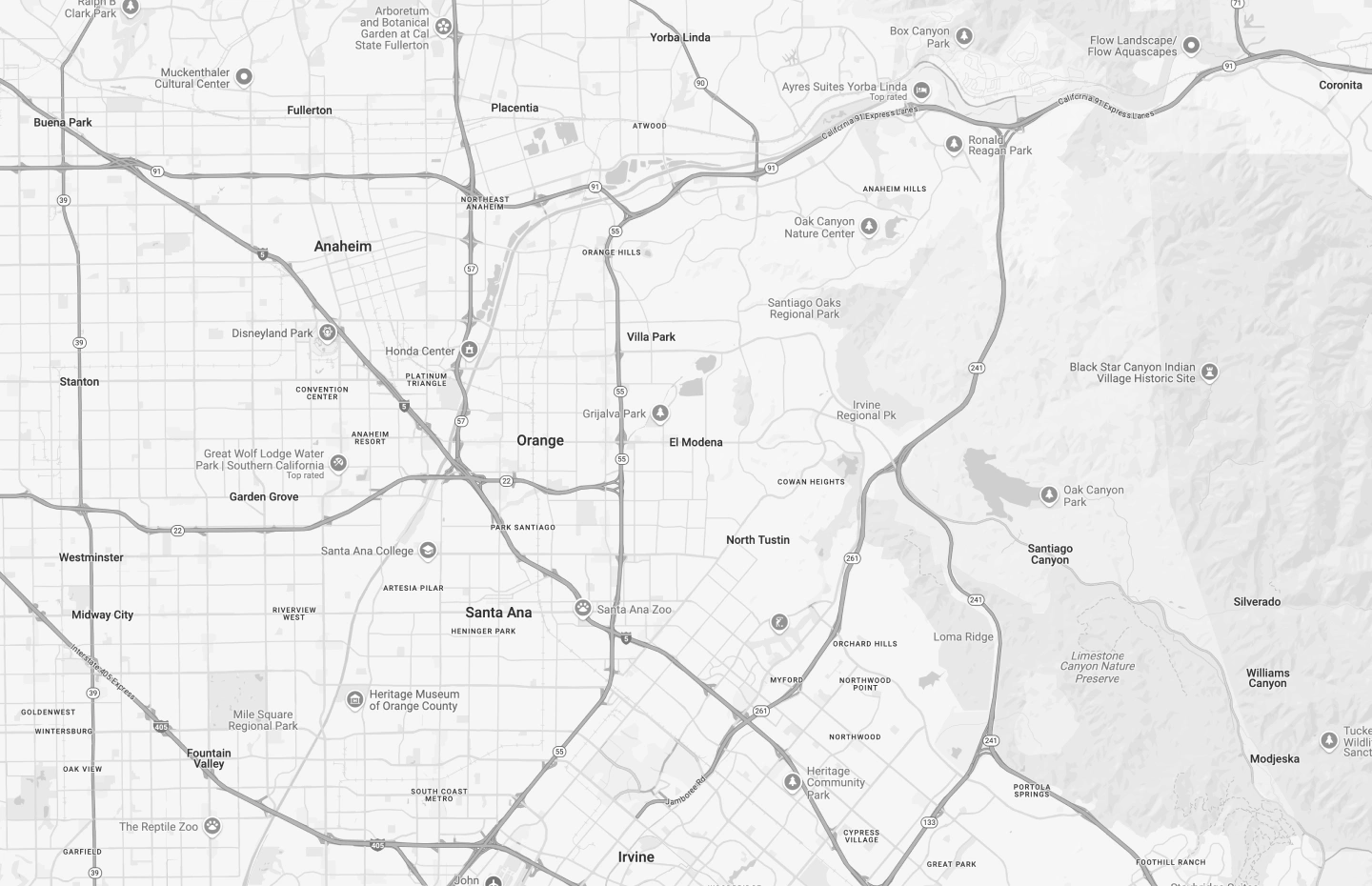
Our Locations
Three Locations, One Commitment: Your Care
Lake Forest
29300 Portola Parkway, Suite B
Lake Forest, CA 92630
Toll Free: (800) 267-5677
Hours of Operation
Monday: 8:00 AM – 5:00 PM
Tuesday: 8:00 AM – 5:00 PM
Wednesday: 8:00 AM – 5:00 PM
Thursday: 8:00 AM – 5:00 PM
Friday: 8:00 AM – 5:00 PM
Saturday: Closed
Sunday: Closed
Mission Viejo
26921 Crown Valley Parkway, #120
Mission Viejo, CA 92691
Toll Free: (800) 267-5677
Hours of Operation
Monday: 8:00 AM – 5:00 PM
Tuesday: 8:00 AM – 5:00 PM
Wednesday: 8:00 AM – 5:00 PM
Thursday: 8:00 AM – 5:00 PM
Friday: 8:00 AM – 5:00 PM
Saturday: Closed
Sunday: Closed
Irvine
18102 Sky Park Circle South, Suite D
Irvine, CA 92614
Toll Free: (800) 267-5677
Hours of Operation
Monday: 8:00 AM – 5:00 PM
Tuesday: 8:00 AM – 5:00 PM
Wednesday: 8:00 AM – 5:00 PM
Thursday: 8:00 AM – 5:00 PM
Friday: 8:00 AM – 5:00 PM
Saturday: Closed
Sunday: Closed